From Bedside to Bytes: How Nurses are Transitioning into Data Careers
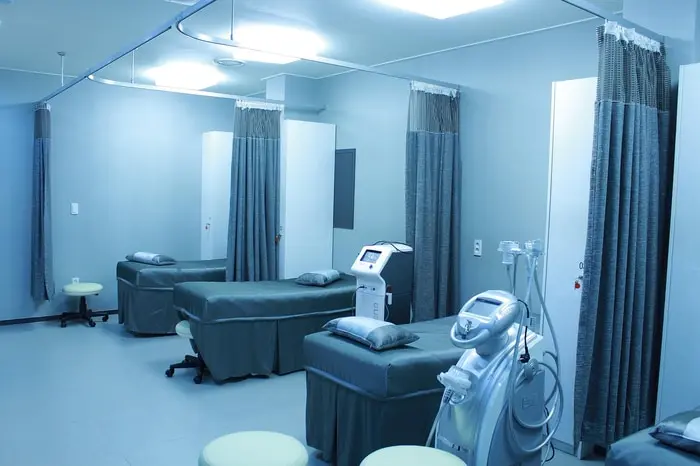
Image by sungmin cho via Pixabay
Life inside a high-acuity area is noisy, bright, and packed with alarms. Therefore, some professionals are swapping commotion for a lamp-lit desk and a humming laptop. Instead of tweaking ventilators, they now tweak code blocks that sift through DNA strings and chart exports. Their clinical instinct does not vanish; it just moves into a new toolkit built from scripts and spreadsheets.
Raw hospital figures often miss the human quirks hidden between quick vitals and rushed notes. Caregivers know how skipped meals, shaky hands, or family tension can reshape numbers. By bringing that firsthand feel to algorithm teams, they turn cold stats into guides that actually fit the ward.
How Nurses Benefit Data Outcomes
The Clinical Blind Spot in Health Figures
Front-line caregivers spot patterns spreadsheets ignore. A single shift on a critical ward shows how cough sounds, meal timing, and family stress change outcomes, details that rarely reach a digital chart.
When coders crunch numbers without that context, they risk crafting polished graphs that collapse once a real patient rolls in. A knack lets nurses catch hidden errors before a math model goes live. In short, quick expert checks keep digital tools honest.
Stopping Risky Guesswork in Formula Building
Data squads sometimes lump every high-acuity admission together, pretending all cases share equal weight. The truth is that ventilated trauma and mild stroke have totally different alert rules. Speaking up early prevents shortcuts that could endanger lives.
When nurses review training information or tag records, they guide engineers toward safer choices, like which signs truly predict collapse and which numbers are just background noise.
Why Patient Care Experience is Beneficial
Crunching Life Science Data
Computational biology works like a giant library of genes, lab reports, and monitor readouts. Specialists use code instead of card catalogs to uncover links, such as which DNA twist raises cancer odds or how heart rhythms shift after new meds. The mission stays simple: turn raw data into steps doctors can follow.
Since nurses already translate medical talk for families, learning to decode data logic is just another language leap. The aim remains better healing; the tools just swap IV pumps for laptops.
Jobs Matching Nurse Skill Sets
Clinical Data Annotator
Data Annotators scrub messy record stacks to fix errors and mark key signs so research crews can trust every entry. Remote hours plus steady demand make this a solid first step. With practice, annotators design tagging guides, train junior labelers, and lead cleanup sprints. Each error caught means stronger reports and faster raises.
Project Research Nurse
Genome projects need calm guides who can walk volunteers through cheek swabs and detailed consent sheets. Labs rely on that warm bedside manner when participants panic over complicated DNA jargon. As comfort grows, research nurses summarize early trends for clinicians or co-author study briefs, blending human care with gene discoveries on a resume that stands out.
Clinical Data Coordinator
Clinical Coordinators keep study numbers tidy, including logging doses, timing scans, and flagging side effects. Seasoned coordinators graduate to multisite trials, teaching other hospitals the same strict data rules and boosting both influence and pay.
Bio-Data Support Analyst
Analysts answer questions on software that sorts lab strings or flags drug risks, ensuring screens match real-world steps. By spotting patterns in trouble tickets, analysts suggest feature tweaks that turn feedback into smoother updates clinicians actually like, making them key voices during product upgrades.
Do You Need to Know Code

Image provided by Pexels
Handy Languages and Everyday Tools
A pinch of Python lets you reorder huge tables; the R stats kit draws tidy graphs; SQL pulls ICU rows that are needed. Terminal windows may look scary, yet most commands are no harder than chart shortcuts you already mastered. Dashboard apps like Power BI trim the coding load by turning clicks into colorful plots. Mix and match until one tool feels natural, then level up only when projects demand it.
Fast-Track Learning Routes
Free video classes, weekend bootcamps, and hospital grants can get you typing useful scripts in months. Building a mini-portfolio, like cleaning public heart-rate files or graphing infection trends, shows progress quickly. Hackathons speed growth as well. A two-day sprint with developers reveals gaps in your knowledge but also shows teammates why clinical sense matters when deadlines hit.
Career Paths From RN to Data Pro
Short Certificates and Industry Credentials
Renowned universities like the American International College offer degrees in biotechnology that cover database basics, privacy law, and light coding without a full master’s load. Add an ANCC informatics badge or CHDA stamp to prove record-keeping swagger. Employers sort resumes fast, and these credentials lift yours onto the interview stack, especially necessary for first-time switchers.
Going Solo Verse Classroom Routes
Self-taught learners save money and move at their own speed, blending YouTube playlists with practice files. The downside is that there’s no built-in network. Formal courses supply mentors and peer chats but cost more cash and calendar space. Plenty choose a hybrid path; earn a small certification for structure, then chase side projects alone. Deliverables matter more than diplomas, so finish sample work and share links often.
Landing Your First Data-Driven Role
Flipping Your Resume Into Data Mode
Swap “cared for 12 patients nightly” with “logged 300 vitals daily in digital charts with 99% accuracy”. Mention side projects: “built Python script organizing 10k lab rows.” Hiring managers love seeing cross-unit handoffs smoothed out; such stories hint you can bridge nurse-coder divides on a fast-moving team.
Smart Places to Scout and Meet People
Browse boards like BioSpace or Built In, then scan LinkedIn groups for healthcare data gigs. Send polite notes to ex-nurses now in data roles; most remember the leap and offer advice. Local meetups and med-tech channels also share hidden contract work, which is perfect for padding portfolios before a permanent jump.
Common Hurdles to Overcome
Beating the “Tech Gap” Fear
Job ads packed with code buzzwords scare many bedside vets. Start small; learn one script language, clean one public dataset, plot one simple graph. Remember: triage and trend spotting already train your brain for analytic thinking.
Trading Doubt for Momentum
Impostor feelings often spike when you are around PhDs and full-time engineers. Pair with another learner, swap messy drafts, and celebrate tiny milestones. A solid community feel can shrink fear fast. Each time you catch a misleading variable or translate doctor-speak for coders, write it down. On rough days, that list proves you are actively growing.
Payoffs: Cash, Schedule, and Purpose
A New Defined Career Purpose
Screens replace stethoscopes, but the mission stays: prevent harm and boost recovery. Your clinical lens keeps formulas human-centered, shielding users from cold math mistakes. Seeing a tool you helped refine to catch sepsis early in a distant hospital feels like stabilizing a patient, just multiplied across countless beds.
Emerging Trends to Watch

Image provided by Pexels
AI-Guided Medicine Hunting Breakthroughs
Algorithms now scan millions of chemical shapes in minutes, spotting pairs that might tame stubborn illnesses faster than any wet-lab screen. When care experts join these data hunts, they help scientists rank which virtual hits make practical sense in folks with complex histories, which are details pure math often ignores.
Once a promising molecule moves from code to cell culture, nurses can flag dosing quirks, infusion hassles, or side-effect patterns before trials begin. This early feedback trims budgets and spares volunteers from avoidable harm.
Live DNA Readings Beside the Patient
Hand-held nanopore gadgets plug into a laptop and spit out genetic letters within an hour, letting teams confirm infection strains or inherited risks while the IV still drips. Clinicians who understand sample handling and contamination pitfalls keep such quick reads trustworthy, even in noisy ward corners.
With near-instant answers, nurses can also suggest faster isolation steps, tighter drug choices, or tailored teaching long before the lab courier arrives. Fast insights turn into shorter stays and, during outbreaks, slower spread through the unit.
Freelance & Remote Opportunities
Short-Run Labeling and Cleanup Projects
Web platforms list week-long contracts to tag symptom codes, correct time stamps, or trim duplicate rows. These micro-tasks fit neatly between shifts and let newcomers test skills without quitting steady work.
Each finished gig builds a portfolio with real datasets, reviewer notes, and a growing star rating. Even modest payouts stack up and often lead to bigger, better-paid jobs from the same research teams.
Advising Health-Tech from Home
Early-stage app builders crave frontline insight but cannot always hire full-time staff. Through calls, experienced RNs walk founders through care steps, safety flags, and doctor habits, earning hourly fees or small equity slices. Since young companies pivot fast, nurses see fresh features roll out within weeks, giving them brag-worthy impact stories and a foot in the door when a permanent strategy post appears.
Building a Standout Portfolio Brand
Sharing Code Snippets & Charts
A public repository turns lone scripts into proof of skill. One folder might hold a Python loop that cleans heart-rate logs; another could showcase an R notebook plotting microbial trends. Clear read-me files in plain talk show you not only code but also teach.
Recruiters skim these pages for commit history and issue replies, so tidy comments and merged pull requests display teamwork chops. Over time, a digital trail acts like a living resume that no PDF can match.
Teach Online Course Lessons
Short, friendly breakdowns pull peers and hiring leads alike. Using school-level language keeps the crowd wide while still proving subject know-how. Regular posts boost profile reach, landing you on more recruiter searches and podcast guest lists. Every comment thread becomes another network branch, turning social media into a 24/7 conference booth.
Essential Soft Skills for Data Teams
Turning Bedside Stories Into Data Language
When statisticians hear “patient could not tolerate dose,” they need numbers; when coders hear “oxygen dropped,” they need exact figures. Translators with RN badges convert lived events into precise variables the model can digest, avoiding misfires caused by vague wording. Practicing this bridge role in daily stand-ups also prevents costly rework later. Clear context speeds up ticket resolution and helps releases hit deadlines without skipping safety checks.
Steering Mixed-Discipline Sprint Groups
Agile cycles move fast, and someone must keep doctors, engineers, and product owners rowing in sync. Nurses used to charge duties naturally time-box chats, settle jargon clashes, and refocus plans when fresh trial data arrives mid-week. By setting simple targets, they maintain velocity while guarding clinical accuracy. Consistent wins earn trust, paving the way to formal project-lead titles and wider decision power.
Switching from IV pumps pumps to information piles does not erase nursing roots; it expands them. By pairing care instincts with coding basics, you become the bridge between raw numbers and safe treatment. The journey takes effort, yet each script learned or dataset cleaned widens your reach.
