Dental Professionals are Vital for Preventative Care
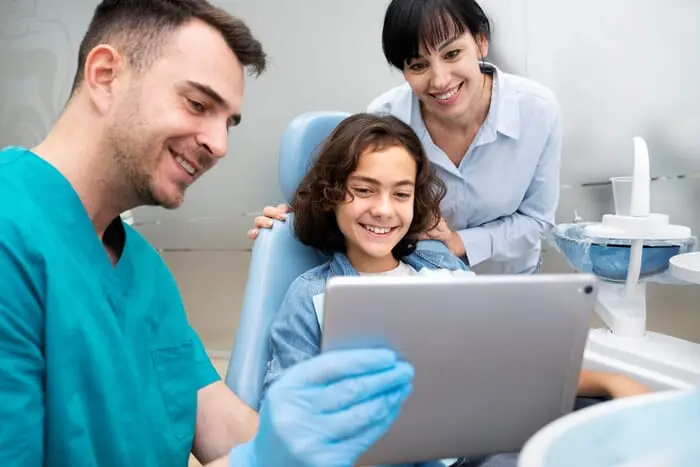
Image by Freepik
Preventive healthcare now defines hospital priorities, shifting the approach from reactive treatment to proactive wellness. Within this transformation, dental professionals are recognized as indispensable. Their role extends beyond maintaining oral health; they act as early detectors of systemic conditions, educators of healthier lifestyles, and collaborators in reducing long-term risks. Hospitals that integrate dentistry into preventive models strengthen both patient outcomes and institutional efficiency.
The connection between oral health and systemic disease is undeniable, with research linking gum disease to heart complications, diabetes, respiratory illness, and adverse pregnancy outcomes. By embedding dental teams into hospital systems, leaders ensure comprehensive patient care, lower costs through early intervention, and position their institutions as champions of community health and sustainable wellness.
Dentistry's Role in Preventive Care
Dentistry has not always been aligned with preventive medicine. For much of its early history, the field was driven by extraction, with a limited understanding of long-term health outcomes. Over time, research revealed that oral health influences systemic well-being, changing the perception of dentistry within the broader healthcare system.
Community health milestones such as water fluoridation and school-based dental programs marked a shift from treatment to prevention. Hospitals recognized that addressing oral health early reduced long-term patient risks. By embedding dentistry into preventive frameworks, institutions not only improved outcomes but also reinforced their responsibility to protect community health at every stage.
Dental Experts Detect Diseases
Dental professionals play a critical role in identifying early signs of oral disease, often before symptoms escalate into serious health complications. In hospital settings, their expertise is amplified through interdisciplinary collaboration, ensuring oral health is integrated into comprehensive patient care.
Hospital Integration
In clinical environments, dental teams collaborate with physicians, nurses, and specialists to embed oral evaluations into routine medical care. This integration is especially vital in departments like oncology, cardiology, and obstetrics, where oral health directly influences treatment outcomes and recovery timelines.
Early Detection Impact
Dental professionals routinely detect conditions such as gingivitis, enamel erosion, and oral cancer at early stages. These timely assessments help prevent complications, reduce healthcare costs, and minimize the need for emergency interventions, making dental teams indispensable in hospital-based preventive care. At Tribeca Dental Studio in NYC, medical experts emphasize the importance of preventive dental visits, noting that early oral screenings can also uncover hidden risks linked to heart disease, diabetes, and other systemic conditions.

Image by Freepik
Oral Health Reveals Systemic Conditions
The mouth often acts as a mirror for the rest of the body, reflecting broader health issues before noticeable symptoms appear elsewhere. Conditions such as diabetes, heart disease, and immune disorders frequently show early warning signs through gum changes, lesions, or unusual oral infections.
Dental professionals are specifically trained to recognize these subtle indicators, giving hospitals an added layer of diagnostic insight. This connection not only supports timely medical intervention but also strengthens the chances of improved patient outcomes through earlier and more accurate care.
Influencing Patient Behavior
Education remains one of the strongest pillars of preventive care, and dental professionals play a central role in shaping healthier lifestyles. Beyond treating immediate concerns, they serve as trusted guides who encourage patients to adopt habits that protect both oral and overall health. Hospitals further amplify this influence by extending dental services into communities, ensuring preventive education reaches more people, and creating a lasting impact.
Community Outreach
Hospitals often deploy dental teams in schools, wellness fairs, and mobile clinics, bringing essential care directly to where people live and learn. According to the CDC, approximately 18.6% (about 1 in 5) of individuals aged 5–19 have untreated tooth decay, making school-based programs vital.
These outreach efforts not only improve public health but also reduce long-standing disparities in access to care. By engaging with diverse populations, hospitals establish themselves as proactive leaders in prevention, fostering stronger community trust while addressing needs before they become critical.
Behavioral Guidance
Dental professionals provide tailored education on oral hygiene, balanced nutrition, and tobacco cessation, key factors that directly affect long-term health. According to a study published in the Journal of Pharmacy and Bioallied Sciences, a six-month community-based oral health education program increased the number of participants who brushed routinely from 45% to 75%, marking a 30-percentage-point improvement.
Their personalized advice empowers patients to take responsibility for daily habits, reducing the likelihood of disease progression. Over time, this consistent guidance reinforces healthier choices, supporting both individual well-being and the broader mission of preventive medicine.
Tracking Preventive Dental Outcomes
Hospitals increasingly depend on data to evaluate the effectiveness of preventive strategies, and dental professionals play a central role in shaping these results. By tracking key performance metrics, they help validate care models, strengthen accreditation efforts, and demonstrate measurable progress that directly influences institutional reputation and national rankings.
Routine dental screenings have been shown to lower emergency visits for infections, support smoother surgical outcomes, and raise overall patient satisfaction. Hospitals that invest in such preventive programs often gain recognition as leading workplaces, drawing top talent while reinforcing their image as forward-thinking institutions committed to integrated patient care.

Image by Freepik
Dental Careers and Services Align
As preventive care becomes a core hospital service, demand for dental professionals is rising. Hospitals are expanding their dental departments and offering career paths that combine clinical impact with long-term growth.
Job Search Support
Professionals can explore roles by company, category, and state, aligning with their goals. Career job post platforms and career advice resources help candidates prepare competitive applications and navigate hospital recruitment processes.
Scholarship Opportunities
Programs like the Future Nurse Scholarship Award reflect hospitals’ investment in education. These scholarships support aspiring healthcare professionals, including those in dentistry, and signal a commitment to workforce development and excellence.
Expanding Dental Roles
Hospital-based dentistry is evolving quickly, moving far beyond the limits of outpatient clinics. Today, dental professionals are integrated into inpatient care, emergency response, surgical teams, and specialized medical departments. Their expertise supports critical functions such as infection control, pre-surgical evaluations, and managing oral complications of chronic illness. This shift, along with competitive hospital-based salary structures, underscores the increasing recognition that oral health has a direct impact on systemic outcomes, overall recovery, and long-term patient well-being.
Going Beyond Traditional Clinics
In modern hospitals, dental professionals are embedded across departments, supporting both acute and long-term care. Their preventive expertise enhances treatment planning, reduces complications, and improves patient recovery in high-risk medical environments.
Oncology and Pediatrics
Dental teams assist cancer patients by managing oral side effects of chemotherapy and radiation. In pediatrics, they help prevent early childhood caries and support developmental health through routine screenings and education for parents.
Emergency and Surgical Care
In emergency departments, dental professionals treat trauma-related injuries and infections. In surgical units, they ensure oral health clearance before procedures, reducing postoperative risks and enhancing recovery outcomes.

Image by Freepik
Skills Used in Dental Roles
Hospital roles demand more than clinical competence; they require interdisciplinary communication, preventive insight, and specialized training. Professionals who pursue advanced certifications and continuing education are better positioned to thrive in these dynamic environments.
Specialization and Training
Certifications in hospital dentistry, sedation, and public health dentistry are increasingly valued. These credentials signal readiness for complex cases and collaborative care models within hospital systems.
Interdisciplinary Collaboration
Dental professionals must communicate effectively with nurses, physicians, and administrators. Hospitals prioritize candidates who understand team-based care and can contribute to integrated treatment strategies.
Career Advice is Accelerating
Success in hospital-based dentistry depends on preparation, positioning, and adaptability. Career advice resources offer tailored guidance for resume building, interview strategy, and long-term career planning in healthcare environments.
Resume and Interview Tips
Hospital recruiters look for clarity, credentials, and collaboration. Dental professionals should highlight preventive impact, interdisciplinary experience, and measurable outcomes in their applications and interviews.
Long-Term Planning
Career advice platforms help professionals map out advancement paths, from entry-level roles to leadership positions. Strategic planning ensures alignment with hospital missions and evolving healthcare trends.
Preventive Care Shapes Community Trust
Community trust is increasingly tied to how hospitals serve preventive needs beyond their walls. Dental professionals play a visible role in this mission, engaging directly with families through school programs, wellness fairs, and mobile clinics. When hospitals extend preventive dental care into neighborhoods, they strengthen their reputation as guardians of public health.
Patients who see hospitals investing in their long-term wellness are more likely to remain loyal, comply with care recommendations, and advocate for the institution in their communities. Preventive dentistry thus functions as both a health service and a trust-building strategy, aligning institutional reputation with measurable public health impact.
Technology Being Used
Hospitals are rapidly adopting new technologies to enhance preventive dental care. These innovations improve diagnostic accuracy, expand access, and streamline workflows. Dental professionals who embrace AI-powered career tools are better equipped to secure opportunities and deliver high-impact care in modern hospital environments.
AI and Diagnostics
Artificial intelligence supports early detection of oral diseases through image analysis and predictive modeling. Hospitals use AI to assist dental teams in identifying subtle signs of decay, infection, and pathology before symptoms become clinically visible.
Teledentistry Access
Teledentistry allows dental professionals to consult with patients remotely, especially in rural or underserved areas. Hospitals use virtual platforms to provide preventive guidance, triage cases, and reduce unnecessary in-person visits.
Smart Device Monitoring
Smart toothbrushes and oral health trackers help patients maintain hygiene between visits. Hospitals integrate these tools into wellness programs, enabling dental teams to monitor compliance and intervene when necessary.
Digital Records and Interoperability
Electronic dental records are now integrated with hospital EMRs. This interoperability allows dental professionals to access patient histories, coordinate care, and contribute to shared treatment plans with greater precision and speed.
Preventive Care Limits Healthcare Costs
Preventive dental strategies reduce the financial strain on hospitals and patients alike. Emergency visits for untreated dental infections often result in costly hospital stays, while routine screenings catch issues before they escalate. Data from the American Dental Association highlights that every dollar spent on prevention can save multiple dollars in restorative or emergency care.
Hospitals adopting integrated dental services report fewer ER visits, shorter inpatient stays, and improved surgical outcomes. Insurance models are also shifting toward prevention, rewarding systems that emphasize wellness over acute interventions. By investing in preventive dental care, hospitals strengthen both their financial sustainability and their ability to deliver accessible, high-quality services to the populations they serve.
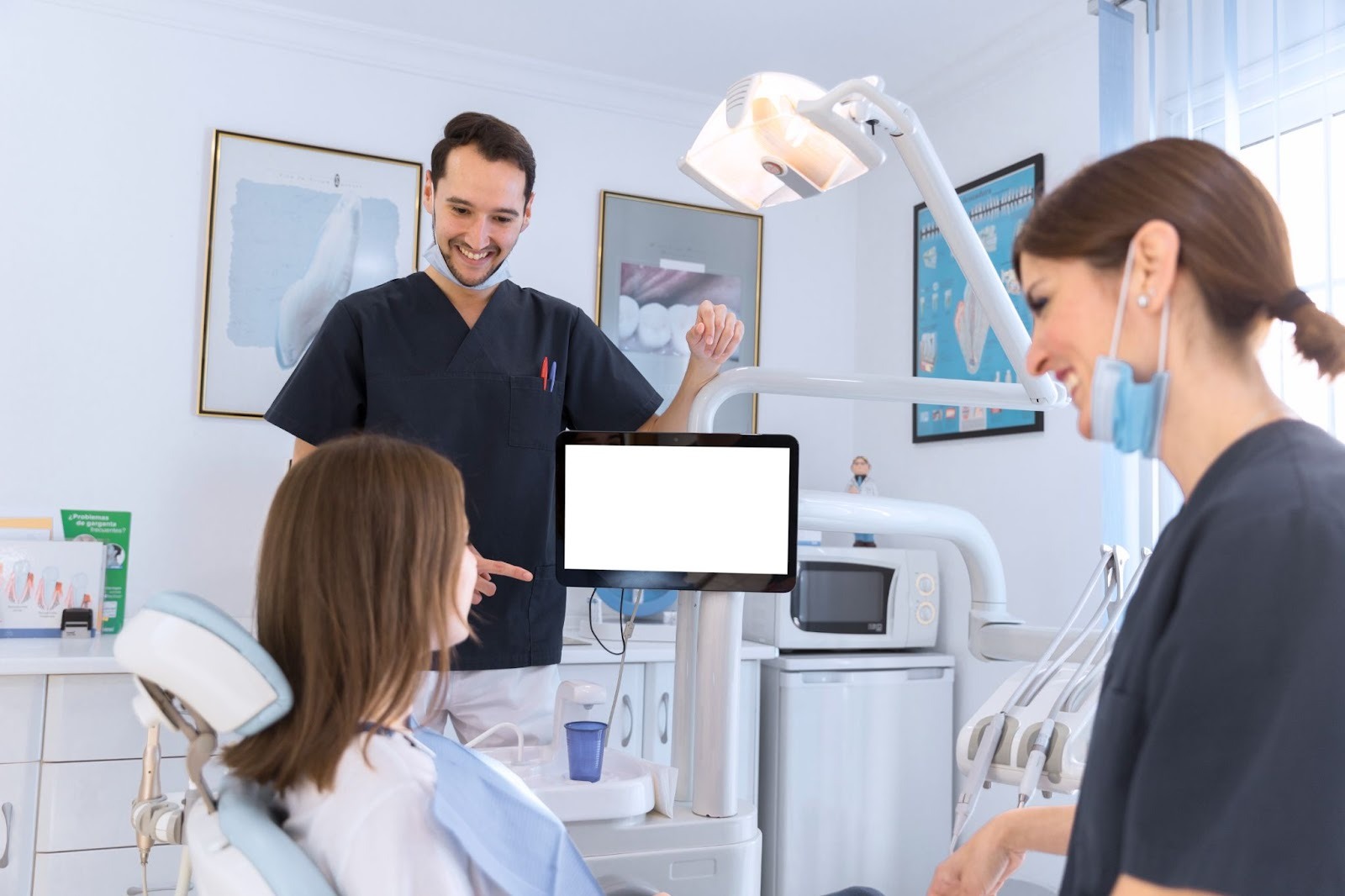
Image by Freepik
Public Health Depends on Dental Industry
Dental professionals play a critical role in shaping public health outcomes. Their preventive expertise supports early intervention, reduces disparities, and informs policy decisions that impact hospital systems and community health programs.
Mobile Clinics and Outreach
Hospitals deploy mobile dental units to reach underserved populations. These clinics provide screenings, education, and referrals, helping reduce barriers to care and improve oral health equity across regions and demographics.
Policy and Advocacy
Dental professionals contribute to health policy by advising on preventive standards, reimbursement models, and care protocols. Their input helps hospitals align with national guidelines and expand access to preventive services.
School-Based Programs
Many hospitals partner with schools to deliver preventive dental care. These programs include screenings, fluoride treatments, and hygiene education, helping establish lifelong habits and reduce pediatric oral disease rates.
Preventive Dental Care Trends
Hospitals across the United States are adopting innovative strategies to integrate dentistry into preventive care. According to the CDC, in 2023, 65.5% of adults aged 18 and older had a dental exam or cleaning in the past year. However, disparities in access persist: in 2019, only 57.6% of rural adults aged 18 to 64 had a dental visit, compared to 66.7% in urban areas. Additionally, approximately 57 million Americans live in dental health professional shortage areas, roughly two-thirds of which are located in rural communities
Global health organizations such as the World Health Organization have repeatedly emphasized the importance of addressing oral health disparities. By examining international models, hospitals can learn how preventive dental care reduces systemic health burdens and fosters healthier populations. These trends underscore that oral health is not a luxury; it is a central pillar of global preventive healthcare.
Interdisciplinary Collaboration
Collaboration across disciplines is essential in hospital-based preventive care. Dental professionals work closely with nurses, physicians, and allied health teams to deliver coordinated, patient-centered services that improve outcomes and reduce redundancies.
Team-Based Care
Hospitals prioritize integrated care models where dental professionals contribute to shared treatment plans. This collaboration enhances communication, reduces risk, and ensures that oral health is considered in every phase of patient care.
Cross-Disciplinary Education
Programs like the Future Nurse Scholarship Award reflect hospitals’ commitment to interdisciplinary learning. Dental professionals benefit from shared training environments that foster mutual understanding and elevate preventive standards across departments.
Clinical Rounds and Case Reviews
Dental professionals are increasingly included in hospital rounds and case reviews. Their input helps identify oral-systemic links, refine diagnoses, and ensure that oral health is factored into broader treatment strategies.
Strengthening Healthcare's Reputation
Preventive dental care contributes directly to hospital performance metrics and public perception. Dental professionals help institutions achieve accreditation goals, improve patient satisfaction scores, and earn recognition among the best hospitals to work for.
Hospitals that invest in dental teams often see measurable improvements in patient outcomes and operational efficiency. These results support their standing in national rankings and attract top-tier talent across all healthcare categories.
Dental professionals also contribute to community trust. Through outreach, education, and consistent care, they help hospitals build lasting relationships with patients and local organizations, reinforcing their role as leaders in public health.
The Future for Preventive Dental Care
Preventive dentistry is no longer a niche; it’s a strategic pillar of hospital care. As technology evolves and public health priorities shift, dental professionals will continue to shape outcomes, reduce disparities, and elevate institutional excellence.
Hospitals that invest in preventive dental teams are not only improving patient health, they’re building smarter, more responsive systems for the future. For professionals seeking purpose-driven careers, the opportunity to lead in this space is both timely and transformative.
Oral Systemic Research
Mounting evidence demonstrates that oral health is tightly connected to systemic conditions. Periodontal disease, for instance, has been linked to cardiovascular issues, with inflammation in the gums influencing arterial health. Similarly, diabetes patients face higher risks of oral infections, making dental screenings essential for early intervention.
Emerging studies also point to connections between oral pathogens and neurodegenerative disorders such as Alzheimer’s. Pregnant women with untreated gum disease face increased chances of preterm birth and low birth weight infants. These findings validate the need for hospitals to place dental professionals at the center of preventive care, where they act as frontline defenders against conditions that span multiple body systems.
Q/A Topics
1. How do dental professionals contribute to preventive healthcare in hospitals?
They detect early signs of oral and systemic disease, collaborate with physicians in treatment planning, and provide education that reduces long-term risks. Their presence ensures oral health is integrated into overall patient care.
2. What systemic conditions are linked to poor oral health?
Research connects gum disease to heart complications, diabetes, respiratory illnesses, adverse pregnancy outcomes, and even neurodegenerative conditions like Alzheimer’s. Oral health often signals systemic problems early.
3. Why should hospitals integrate dental services into their preventive care models?
Integration lowers emergency visits, reduces treatment costs, improves surgical outcomes, and strengthens hospital reputation. It also positions hospitals as community leaders in wellness and prevention.
4. How do dental teams improve patient behavior outside the hospital?
They deliver education on hygiene, nutrition, and tobacco cessation, and hospitals extend this through school programs, wellness fairs, and mobile clinics—helping reduce disparities in access to preventive care.
5. What technologies are shaping preventive dental care in hospitals?
AI-driven diagnostics, teledentistry, smart monitoring devices, and integrated electronic records all enhance early detection, expand access, and streamline collaboration across hospital departments.
6. What career opportunities exist for dental professionals in hospitals?
Hospitals increasingly offer roles in inpatient care, emergency response, oncology, pediatrics, and surgery. They also support career growth with mentorship, continuing education, and leadership pathways in preventive medicine.
Beyond a Support Driven Service
Preventive dentistry is no longer a supporting service; it is a foundation of modern hospital care. By embedding dental professionals into preventive frameworks, hospitals not only protect oral health but also address systemic risks that impact recovery, long-term wellness, and community trust. Their role extends far beyond the clinic, influencing patient education, outreach, and early detection strategies.
Hospitals that invest in dental integration strengthen outcomes, reduce costs, and secure recognition as leaders in preventive medicine. For professionals, this shift creates career paths that are both impactful and future-driven. Preventive dental care ultimately safeguards patients, empowers hospitals, and advances the shared mission of healthier communities.