A Comprehensive Guide to Understanding Subacute Nursing
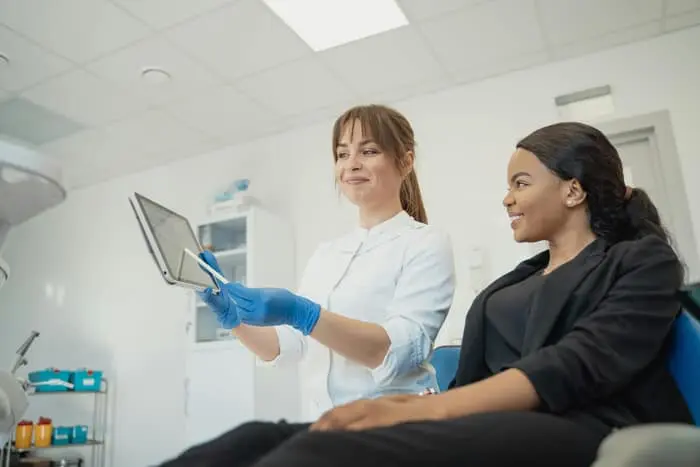
Image by Tima Miroshnichenko via Pexels
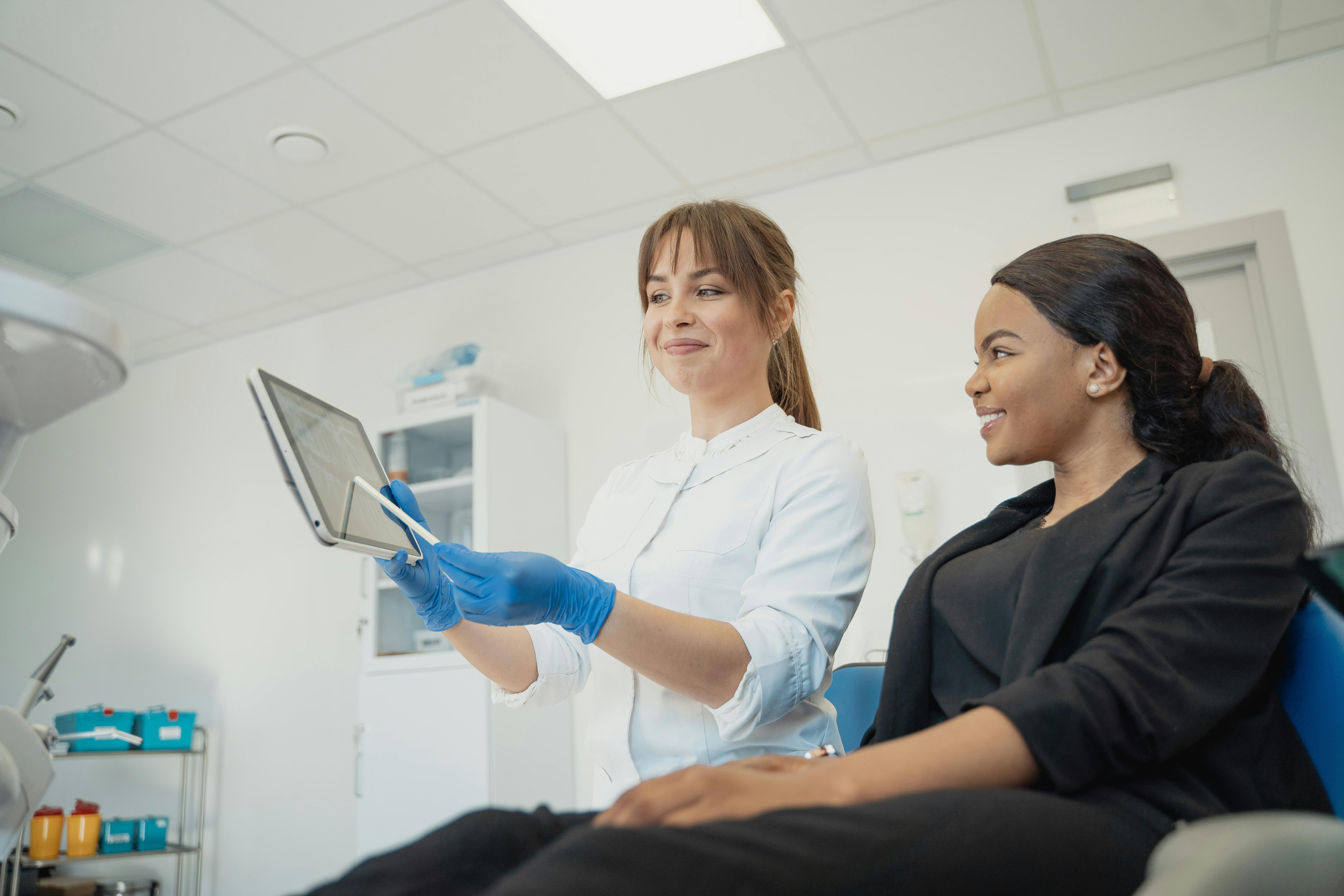
When a patient crosses the critical phase of illness, they often need an intermediate form of care that blends precision and rehabilitative focus. Subacute nursing thus becomes an important consideration. It is essential for recovery for patients who require medical oversight, advanced therapies, and kindness after hospitalization.
Healthcare professionals must understand subacute nursing in order to successfully coordinate patient recovery plans. Whether you are a nurse, physician, or rehab therapist, this article gives a thorough guide to the unique character of subacute nursing and its ever-increasing position in contemporary medicine.
What is Subacute Nursing
Subacute nursing provides a special dimension of patient care for patients requiring high medication referrals as well as therapy support while they are considered medically stable. It is an intermediate bridge from hospital-level acute care to long-term or home recovery. This shift increases the use of life-saving interventions, moving to structured recovery and complete rehabilitation. These nurses supervise medical progress through skilled care while focusing on a reasonable increase in independence for the patient involved.
Subacute care provides active physical therapy and medical supervision. A qualified personnel would be helpful in the management of any complex medical issues, like those of post-surgical recovery, injury care, or having to live with ventilator dependency. Subacute nursing forms a vital point in continuity of care to offer the necessary interventions without an acute hold and in an environment that is comfortable, safe, and conducive to healing.
Skills of a Subacute Nurse
Subacute nurses come with a combination of clinical and rehabilitative skills. This is mostly about the complicated post-surgical recovery curves and chronic illness or neurological rehab. Serving as nurses and teachers, they help and guide the patient and family through milestones in recovery, medication compliance, and lifestyle modifications.
How to Become a Subacute Nurse
The usual pathway starts with either an ADN or BSN, which will then lead to an NCLEX-RN to become a practicing Registered Nurse. Most subacute nurses learn their role in either acute or rehabilitative environments where they witness complex medical problems, coordinate multidisciplinary care, and provide emotional support for patients who are on their way to recovery.
Training in rehabilitation, critical care, or traumatic injury care could be through certificates or degrees as part of subacute nursing. Fundamentals of success in subacute nursing include good patient communication skills, flexibility of mind and behavior, and clinical judgment.
Subacute nurses operate between the hospital and home care as necessary linchpins that assist in transitioning the patients to greater independence and stability as they recover. Skilled subacute nurses are more in demand than they have ever before as transitional and restorative care becomes more critical.
The Evolution of Subacute Nursing

Image by SHVETS Production via Pexels
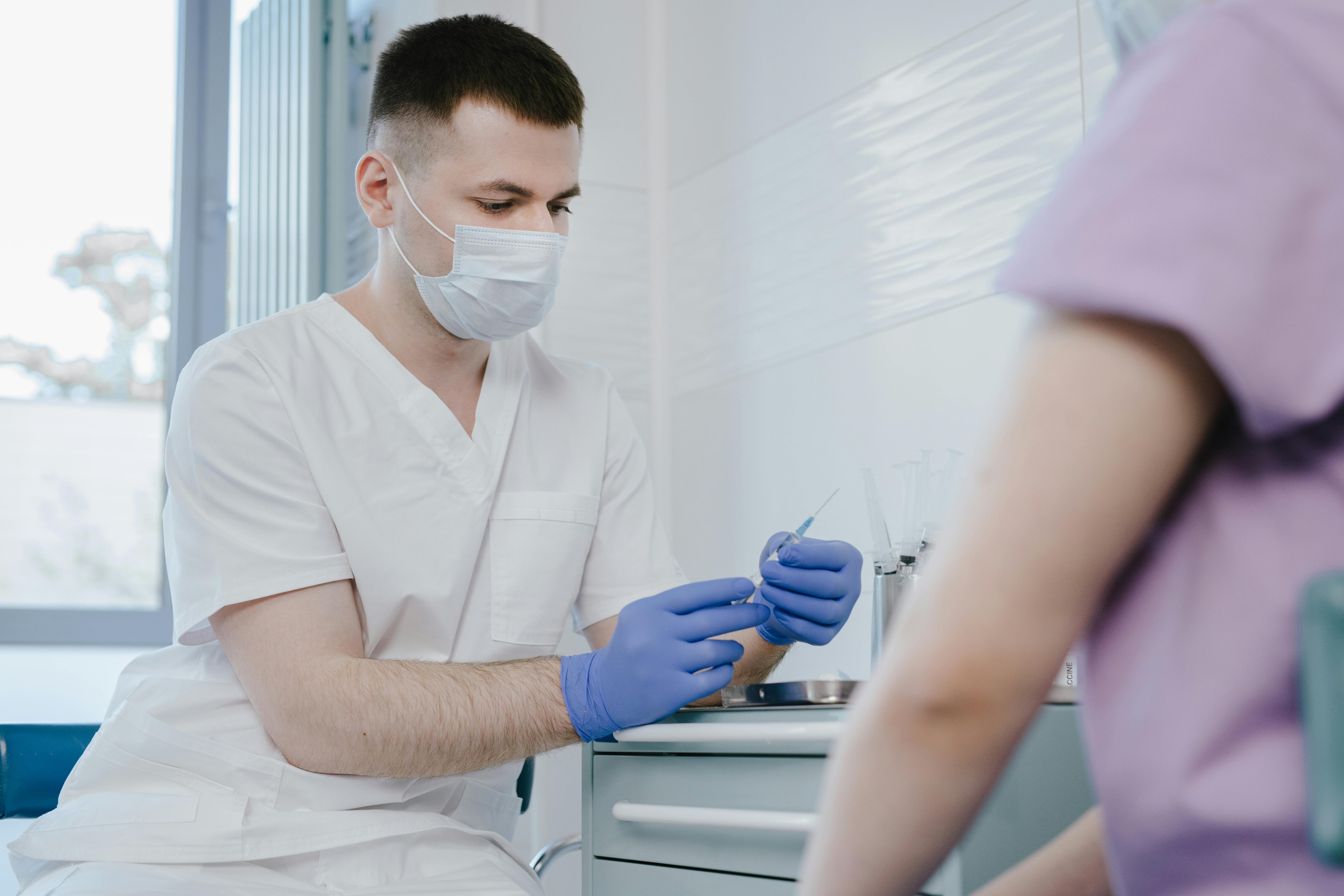
What came to be referred to as subacute care evolved as healthcare systems began searching for ways to provide efficacious hospital length-of-stay reductions, as long as their patients were receiving quality outcomes. In the ideal world, hospitals would maximize their bed utilization and minimize their costs, making subacute units a natural bridge for patients needing to continue their recovery.
With all developments emerging from the field of medicine and some from demographic trends, such as an increased aging population, the emergence of subacute facilities and special nursing roles was emphasized even further.
Subacute nursing today is one of the most advanced and patient-related areas in health care. Top medical centers show how subacute care was changed into a model of patient-centered care that includes the family and interdisciplinary collaboration.
Types of Patient Populations Served
Subacute care includes those patients for whom it is safe enough for them to leave a hospital but not safe enough for them to go home yet, because they still require great care from medical staff and adherence to rehabilitation needs. Such patients often have coexisting complex conditions that require careful monitoring as well as coordinated therapy. This population requires subacute nursing units to provide a high nurse-to-patient ratio and very specialized medical oversight.
Career flexibility and broad clinical knowledge among health workers are reflected in the sheer multitude of conditions treated at subacute nursing facilities. Patients recovering from major surgical procedures, suffering from neurological injuries, or chronically ill all benefit from personalized plans as the plans fit their evolving needs.
Breaking Down the Levels of Care
Subacute care occupies a valuable interactive role, involving intensive monitoring without any hospital-level intervention. It's also a very reasonably priced, patient-oriented recovery option, ensuring individuals receive proper care at the right time.
Subacute nursing not only ensures medical stability but also considers functional recovery. By means of intervention from therapy, managing medication, and re-evaluation, these facilities enable patients to build up their strength while receiving continuous treatment.
Acute Care vs. Subacute Nursing
Acute care refers to revival of life through emergency intervention, operation, and life-saving procedures. On the other hand, subacute nursing is further treatment, monitoring, and rehabilitation after stabilization.
Subacute or Skilled Nursing Facility?
Both provide post-hospital treatment, but the subacute units are also capable of handling more medically intense demands, including intravenous medication, wound care, or, usually under a doctor's guidance, respiratory aid.
Within the transitioning between levels of care, the significant aspect is the subacute care role for transitioning patients from hospitals to lesser-acuity settings within safety. Patients need to choose the best facility to ensure quality care and a quick recovery. Integrating continuity in care would lead to a reduction of readmissions in the future, thereby improving the general outcome recovery for the patient.
Subacute Requires a Multidisciplinary Team

Image by RDNE Stock Project via Pexels
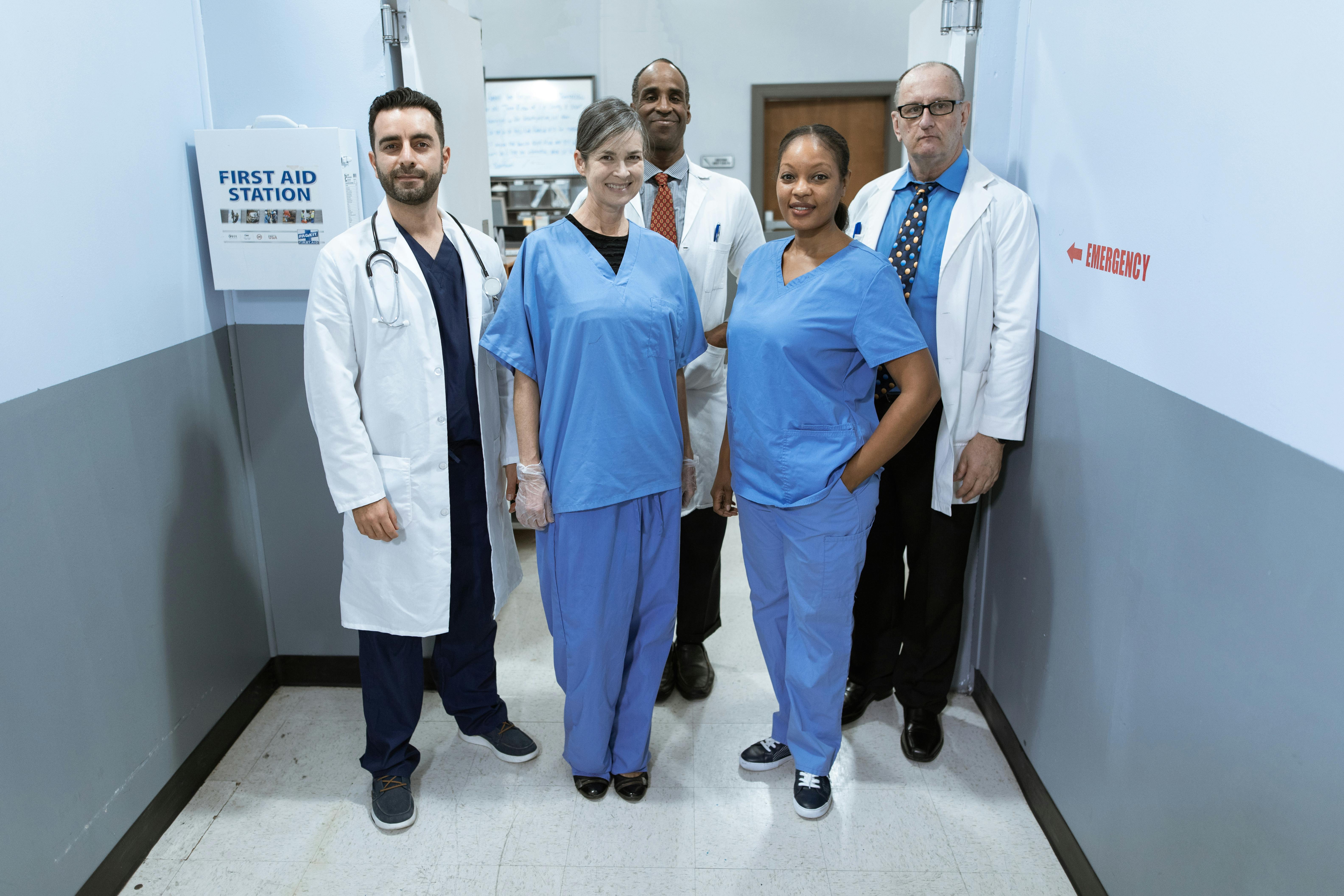
Subacute nursing, by its inherent team spirit, collaborates with different representative members from different disciplines in healthcare. This multidisciplinary process thoroughly surveys each patient's physical, emotional, and social needs to higher standards of care, where treatment plans are dynamic and can be adjusted with changing patient status.
Interdisciplinary meetings, together with prompt and properly evaluated progress notes in shared communication platforms, synergize collaborative efforts across all departments. All of them pool their various areas of expertise together and keep active in addressing the multifaceted needs of patients recovering from hospital care. Main members of the care team include:
-
Registered Nurses (RNs)
-
Physicians and Specialists
-
Rehabilitation Therapists
-
Respiratory Therapists
-
Social Workers and Case Managers
Skills and Core Competencies
Subacute nurses must prepare their armory of competencies. They need a combination of acute critical clinical knowledge and skills incorporated with a general understanding of long-term care.
They could manage complicated treatment regimens, be versed in lab result interpretations pertinent to their practice, and act quickly in response to changes in condition. These technical skills must be joined with a healthy degree of understanding and the ability to communicate with the patient or family on their behalf, which are just as critical to recovery.
Alongside their clinical excellence, subacute nurses are required to have critical thinking and adaptability in mind. The reality that every patient carries within themselves a different set of circumstances necessitates instantaneous and intelligent decision-making.
Clinical Skills
-
Expertise in IV therapy, wound management, and medicine administration
-
Knowledge of chronic disease management and infection control
-
Understanding and monitoring complex vital and lab results
Interpersonal and Educational Skills
-
Relationship-building with patients and families during transition vulnerabilities
-
Patient education on medication routines and lifestyle adaptations
-
Emotional and psychological recovery facilitation
Managing Medical Need Complexities
Patients in subacute units need care beyond the ordinary most of the time. Many patients are respiratory-dependent, some have injury complexities to deal with, or chronic infections. The art of subacute nursing is the balance between medical intensity on one hand and a type of care that uplifts the patient's dignity and comfort on the other.
This technology and evidence-based practice have high-touch support advancing patient safety in complicated medical conditions. Continuous monitoring and follow-ups with physicians ensure timely and relevant interventions by the nurses. It needs attention to detail that is both tall with proactive care management, which becomes essential in determining patient outcomes.
Safety and Risk Management
Subacute care facilities should be concerned with strict adherence to infection and falls prevention standards and regulations with respect to quality and safety. Key safety protocols are:
-
Vital signs are constantly being monitored.
-
Timely response to changes in patient condition.
-
Compliance with the infection control policy of the facility.
-
Documentation that allows continuity of patient care.
Family-Centered Aspects of Care
Recovery is so personal that it reaches beyond the edges of medical recovery. Emotional well-being, motivation, and social connectivity directly contribute to a patient's success in recovery. These are the general principles under which subacute nurses operate in working towards creating a supportive, understanding, and empowering environment for patients.
Family intervention is as vital as the patient. More often than not, the patient receives the endorsement to take part in the patient's care process, which boosts confidence and inspires the morale of the patient. This is according to the holistic ethical perspective of conceiving recovery as a partnership between health professionals, patients, and families.
Family Involvement in Care
Family involvement is a significant motivator because it encourages patients to recover well from the treatment. Involvement might occur with the family attending treatment sessions, being educated on care techniques being used, and taking part in progress meetings. Ways families can participate include:
-
Help with supervision during therapy exercises
-
Attend family education sessions
-
Discuss progress with nurses and care teams
-
Company and emotional support
Long-Term Trends for Professional Development
The change is rapid and has great value in making integrated care facilities, turning the healthcare system into a different thing altogether. This is the current shape that the future will take, one of continuous learning and excellent leadership in a highly specialized yet transformationally changing field open to professionals. Embracing innovative and research-based practices by nurses will bring forth a significant difference in patient outcomes.
The future of subacute care is defined by several elements, some of which are emerging integrated telehealth solutions and data-driven treatment models of care delivery. Deepening the technical literacy and adding a medical scope to practice will ensure the healthcare practitioners are effective team members in patient-centered conditions.
Emerging Trends in Subacute
-
Integrated technology through electronic health records and telehealth.
-
Patient's outcome-based models on measurable benchmarks for patient recovery.
-
Role expansion.
-
Continuing education and credentialing.
Modern Approach to Excellence
Facilities across the healthcare spectrum are adopting individualized treatment plans corresponding to each patient's medical requirements, rehabilitation goals, and individual preferences. An environment has been developed wherein all patients are regarded as deserving of care aimed at comfort, safety, and empowerment in their recovery.
The best subacute environment fosters collaboration and communication within a multidisciplinary team. Proper evaluations, compassionate interaction, and homelike settings allow the patients access and the encouragement needed for their growth into independence.
Frequently Asked Questions (FAQs)
-
What is subacute nursing?
It is the type of specialized nursing care given to patients after recovery from an injury or illness at the hospital, but they still need continuing medical treatment.
-
Why patients benefit from subacute nursing?
The majority of the patients are those recovering from surgical, traumatic, or severe medical conditions, such as a stroke or respiratory failure.
-
What's expected from a medical practitioner?
Develop multidisciplinary care plans to alleviate patients' needs for lower levels of care, monitor progress, and ensure safe hospital transfer.
-
What's the average length of stay for patients?
The length of stay in subacute care mainly depends on the patient's condition, progress, and goals. Some patients may recover within weeks, while others with higher complexity can take several months for targeted rehabilitation.
